‘Cardano Didn’t Go Down,’ Charles Hoskinson Pushes Back FUD

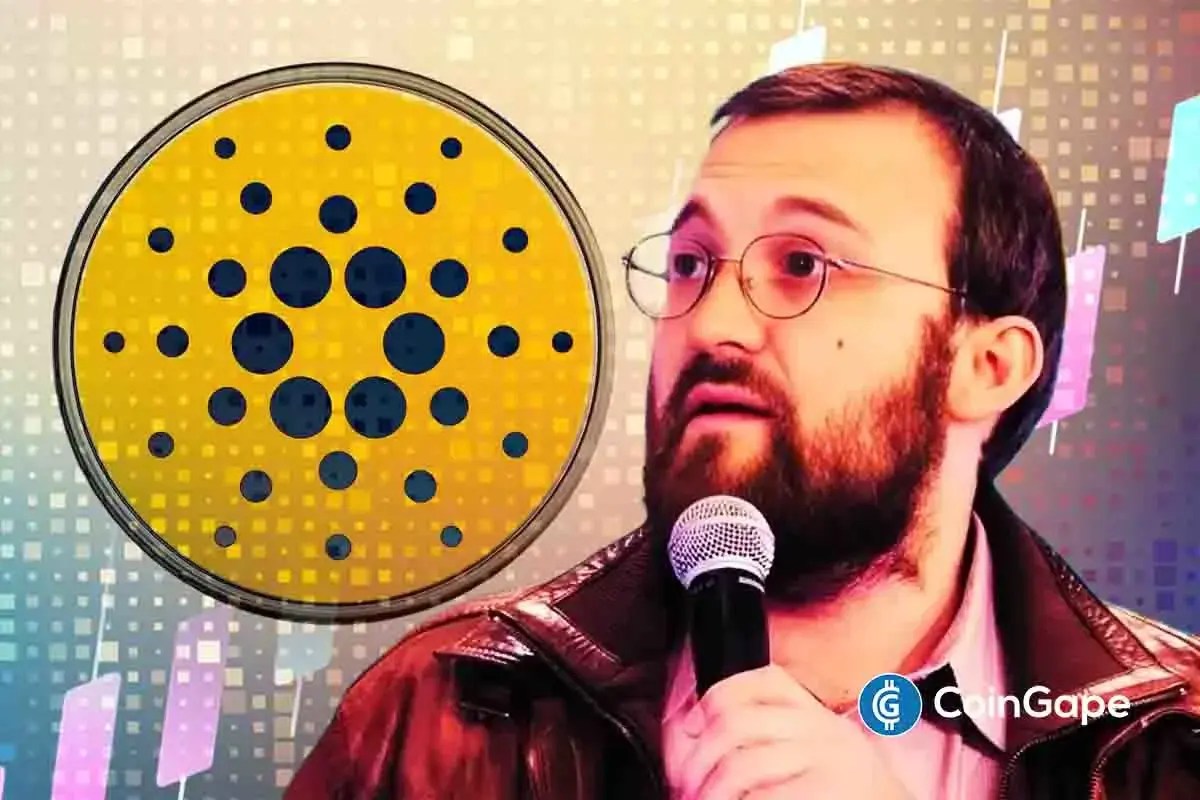
The post ‘Cardano Didn’t Go Down,’ Charles Hoskinscom. The founder of the Cardano network Charles Hoskinson has pushed back against increasing concerns following a recent sluggishness in the network. This has caused a speculation frenzy among the online community. Cardano Founder Provides Verified Incident Report Hoskinson provided an official “Myths vs Facts” breakdown. It confirmed that the mainnet never shut down and that the core protocol was never compromised. Hoskinson shared the post to address increasing FUD since many were unsure of whether Cardano experienced a massive failure. This additional explanation became necessary after claims of a rollback, and that a transaction created by an AI crashed down the network. Hoskinson rejected such assertions by advising people to share known facts as opposed to unverified stories. This push towards factual clarity is preceded by other incidents when Hoskinson addressed an issue concerning ecosystem misinformation. At that time, he reacted to false claims regarding the Cardano treasury fund. His post explained that the event was linked to an edge case in node implementation rather than a failure of the Cardano protocol. It noted that SPOs, crypto exchanges and engineers immediately spotted the issue in real time. Hence, their rapid response allowed the network to continued functioning correctly and securely despite the slowdown as teams pushed out patched software within hours. Report Details Cardano Attack Origins Hoskinson further explained that Cardano ecosystem teams created a joint incident squad shortly after the slowdown began. This is different an account of the same event by Intersect that stated that there was a split in the Cardano chain. It added that a poisoned transaction caused node divergence throughout the network. However, the latest update emphasized that there was no centralized rollback. The update was.
Ontology Community Approves ONG Tokenomics Adjustment Proposal

The post Ontology Community Approves ONG Tokenomics Adjustment Proposal appeared com. Press Releases are sponsored content and not a part of Finbold’s editorial content. For a full disclaimer, please Crypto assets/products can be highly risky. Never invest unless you’re prepared to lose all the money you invest. Singapore, Singapore, November 12th, 2025, Chainwire Community vote reduces ONG supply cap from 1 billion to 800 million and establishes a permanent liquidity lock, strengthening long-term sustainability and growth. Ontology announced that the ONG Tokenomics Adjustment Proposal has been approved by the network’s node operators following a three-day on-chain vote held from October 28 to October 31, 2025. The proposal passed with 117, 169, 804 votes in favor and zero votes against, confirming a strong community consensus to move forward with updates that strengthen long-term sustainability, staking incentives, and ecosystem development. “This decision sets ONG on a clear, sustainable path with an 800 million cap, a permanent liquidity lock, and predictable emissions that support ONT stakers and simplify planning for developers,” said Jun Li, Founder of Ontology. “Together, these improvements are intended to drive higher on-chain usage and transactions as we complete the MainNet v3. 0. 0 upgrade on December 1, 2025.” What Was Approved Objectives Cap total ONG supply at 800 million. Permanently lock ONT and ONG assets equal to 100 million ONG in value to strengthen liquidity and reduce circulating supply. Rebalance incentives for ONT stakers while maintaining predictable emissions. Implementation Overview Cap total supply at 800 million ONG. Extend the release period from 18 to 19 years. Maintain a constant release rate of 1 ONG per second. Allocate 80 percent of emissions to ONT staking incentives and 20 percent, plus transaction fees, to ecological liquidity. Use ONG to acquire ONT, pair the two assets for liquidity, and burn the LP tokens to permanently remove the assets from circulation. Supply Effects 200 million ONG will.

.