Coinbase Buys Solana-Native Vector to Expand Onchain Trading and Asset Access

The post Coinbase Buys Solana-Native Vector to Expand Onchacom. Coinbase announced Friday that it has entered into an agreement to acquire Vector, a Solana-native onchain trading platform, in a move the exchange says will broaden asset availability and deepen its support for one of the fastest-moving trading ecosystems in crypto. The company says Vector’s team and technology will be folded into Coinbase’s DEX trading integration with the goal of improving the speed, liquidity and accessibility of Solana-based assets for Coinbase users. In its blog post, Coinbase pointed to fresh market data to underscore the timing of the deal: research from Messari shows that Solana’s decentralized exchange volume for 2025 has already topped $1 trillion, a sign of the high-velocity trading activity that Vector was built to serve. Coinbase framed the acquisition as part of a broader push to build what it calls the “everything exchange,” an onchain-first trading hub that offers faster, cheaper, around-the-clock markets. The company also touted the Vector team’s Solana-native experience as a strategic complement to Coinbase’s product roadmap. As part of the transition, Coinbase confirmed that Vector’s existing mobile and desktop apps will be sunsetted while the team and its tech are integrated into Coinbase’s platform. The announcement also made clear that the Tensor Foundation, the community-governance body behind the Tensor protocol and marketplace, will remain independent from Coinbase; Tensor’s NFT marketplace and native token, Coinbase said, will likewise stay unaffiliated. The transaction is subject to customary closing conditions and, according to Coinbase, is expected to close by year-end. In its.

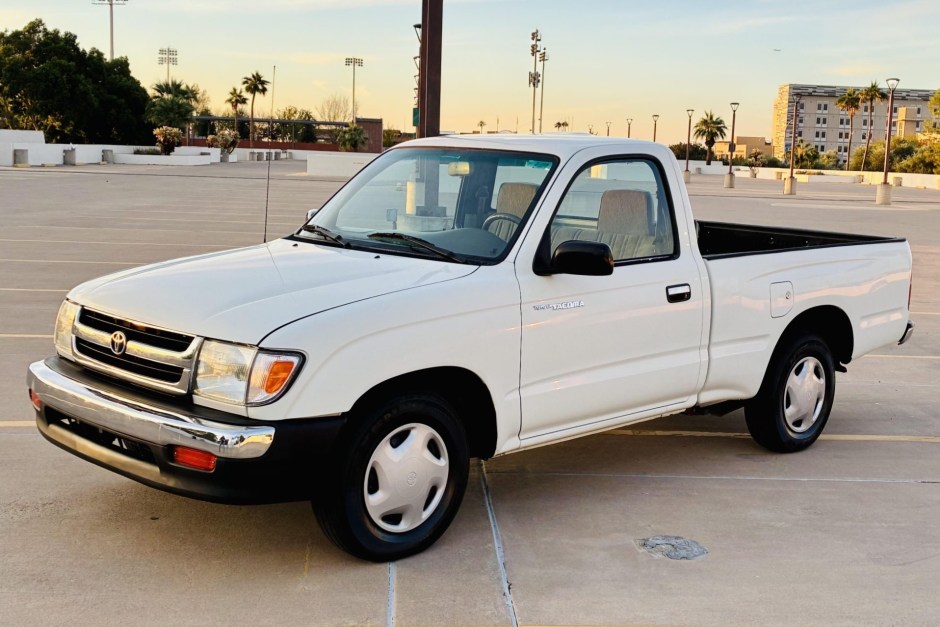
1998 Toyota Tacoma at No Reserve

This 1998 Toyota Tacoma was first registered in California and later spent time in Arizona, where it was purchased from the original owner by the seller in 2021. Work since then has included replacing the mass air flow sensor, starter, water pump, drive belts, spark plugs, and front brake pads. Finished in white, the truck is powered by a 2. 4-liter 2RZ inline-four paired with a four-speed automatic transmission. It rolls on 14″ steel wheels and is further equipped with a drop-in bedliner, a locking fuel filler door, and chrome-finished bumpers. Inside, the bench seat is trimmed in gray cloth and joined by a cassette stereo, air conditioning, and wind-up windows. This Tacoma shows 80k miles and is now offered at no reserve by the seller with partial service records, a Carfax report, and a clean Arizona title in the seller’s name.

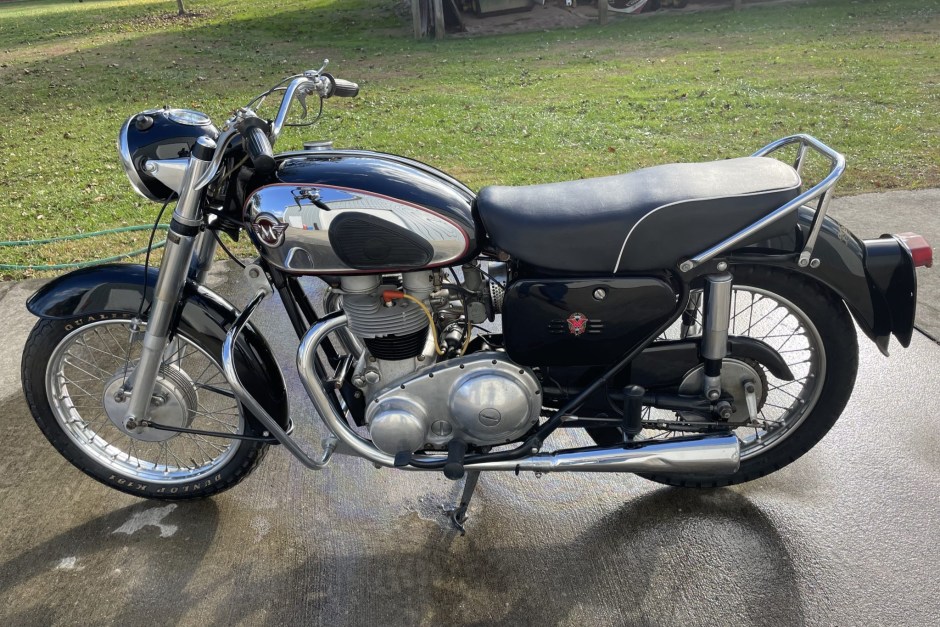
1961 Matchless G12 Project at No Reserve

This 1961 Matchless G12 is a non-running example equipped with a 646cc OHV parallel-twin mated to a four-speed transmission. It is finished in black with chrome and maroon accents and features an Amal Monoblock carburetor, a contoured two-up seat, 19″ wire-spoke wheels, finned 7″ drum-brake hubs, and a chrome engine guard, grab rail, and dual exhaust system. This G12 was purchased by the seller circa 2015 and is now offered at no reserve with a clean West Virginia title in the seller’s name.

Remarkable BitMine Dividend Decision Defies ETH Price Plunge

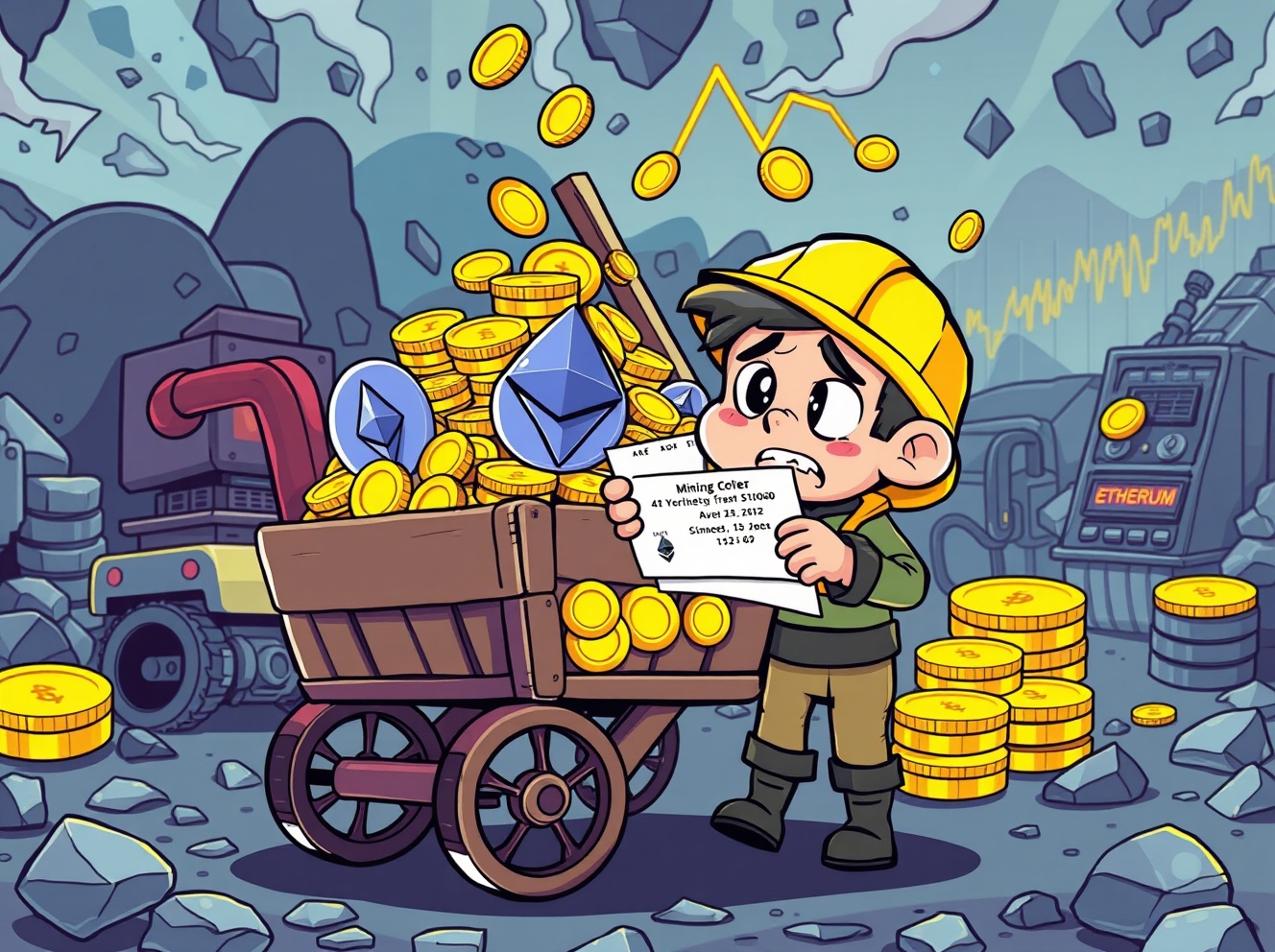
The post Remarkable BitMine Dividend Decisicom. In a surprising move that’s catching everyone’s attention, BitMine has announced it will pay an annual dividend despite facing significant challenges from Ethereum’s price decline. This bold BitMine dividend decision comes at a time when most crypto companies are tightening their belts, making it a truly remarkable development in the cryptocurrency space. Why is BitMine paying dividends during an ETH downturn? The company has decided to distribute $0. 01 per share annually, according to The Block’s recent report. This BitMine dividend strategy appears counterintuitive given the current market conditions. However, it demonstrates the company’s commitment to shareholder value even during turbulent times. The decision shows confidence in their long-term positioning despite short-term market pressures. Understanding BitMine’s financial position BitMine’s current mNAV ratio sits below one, indicating that its asset value doesn’t fully cover its enterprise value. More concerning are the company’s ETH holdings, which currently show an unrealized loss of approximately $4. 5 billion. This substantial loss makes the BitMine dividend announcement even more unexpected and noteworthy for investors watching the crypto space. What does this mean for crypto investors? The BitMine dividend decision sends several important signals to the market. First, it shows that established crypto companies are maturing and adopting traditional corporate practices. Second, it demonstrates resilience in the face of market adversity. Here are the key takeaways for investors: Stability signal: Regular dividends typically indicate financial stability Shareholder focus: Companies prioritizing investor returns even in tough markets Industry maturation: Crypto companies adopting traditional finance practices Risk management: Balancing growth with shareholder returns How sustainable is this BitMine dividend strategy? While the $0. 01 per share BitMine dividend appears modest, its sustainability depends heavily on Ethereum’s price recovery and the company’s ability to manage its substantial unrealized losses. The current mNAV below one raises questions about how long the company can.

Sitemap Index